
Fiberglass is an ordinary material in insulation, building, and most household products. It is a fine glass fibre product. It is easy to come into your skin, irritating, itchy, and painful. You might already know how irritating fiberglass can be when it gets on your skin, should you have ever touched it.
This blog will inform you on how fiberglass enters the skin, what issues it may create, and most importantly, how to remove it safely with easy and effective ways.
What to do When Fiberglass gets into your skin
Fiberglass consists of minute, sharp fibers. When you handle fiberglass materials, these minute particles may fall off and attach themselves to your skin. They are very small, and so they can get into the upper layer of your skin without you even noticing at the beginning.
Sometime later, you can begin to experience itching, reddening, or burning. This is due to the fact that your skin responds to the foreign particles. The irritation is mild or intense, depending on the amount of fiberglass on your skin and the sensitivity of your skin.
Fiberglass in Skin: Common Symptoms
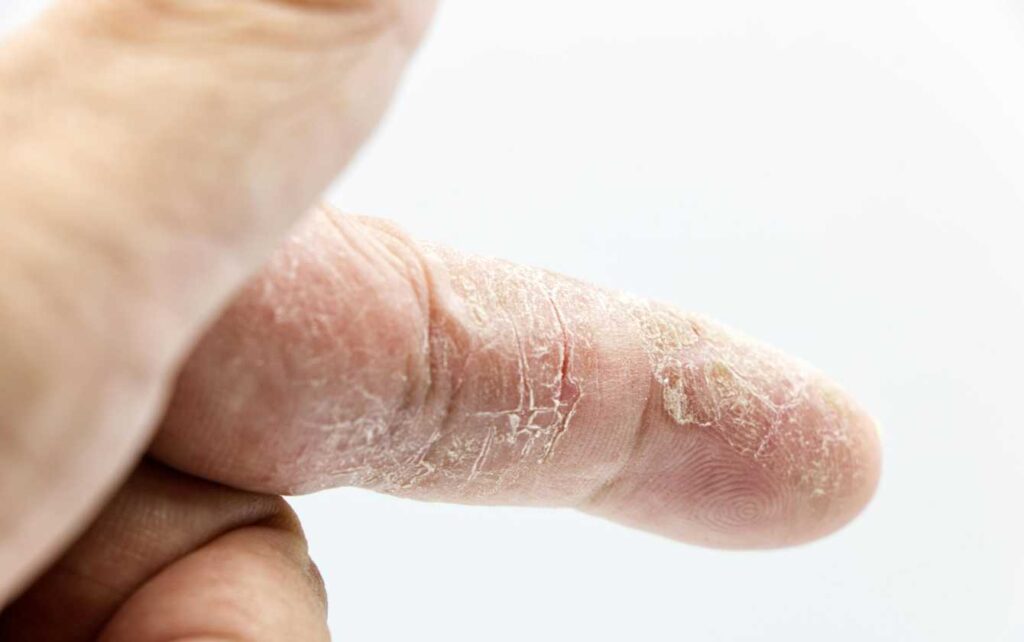
Fiberglass has a definite effect on your body when it penetrates the skin. Its most prevalent symptom is itching. It is as though a lot of little needles are poking at your skin. It is also possible to find redness or small bumps in the affected area.
The skin, in certain instances, can be dry and rough. An overly scratchy can cause the irritation to be more severe and cut or even become infected. That is why the situation should be managed.
Sensitive skin needs extra care in every situation — whether dealing with irritants or sun exposure, learning safe ways to darken your skin can help you protect and manage your skin better.
The Reason Why You Need To Remove Fiberglass Fast
It is not advisable to keep fiberglass on your skin. Although this does not have to be a very dangerous one, it can lead to constant discomfort. The itching might intensify, and your skin might be more irritated.
When the skin ruptures as a result of scratching, bacteria can enter the skin and infect it. This is the reason why it is highly advisable that fiberglass be removed through safe procedures as early as possible.
Step-by-Step Guide to Removing Fiberglass From The Skin
Dealing with fiberglass on your skin can be uncomfortable, but removing it is easier than you think. Following the right steps in the correct order makes the whole process safe and effective. Take a deep breath and follow this simple guide to get quick relief.
Step 1:Relocate and Avoid Scratching
First, change your location to a place where there are no fibers of fiberglass to avoid further deposits on the skin. It is best to keep calm and not scratch, even though the itch may be intense, against the urge to scratch, as doing so may force the fibers deeper into the skin.
Step 2:Wash with Lukewarm Water
Then, wash the affected part with the help of mild soap and lukewarm water carefully. Never use hot water as it may open your pores, and you end up taking more fibers. Allow the water to flow on your skin rather than scratching it.
Step 3:Apply and Remove Adhesive Tape
Wash, then apply a bit of adhesive tape and press it on the affected place. Gently remove the tape from your skin. This may assist in dragging off a large number of the small fiberglass particles. This might require the use of new tape a couple of times.
Step 4:Cleanse and Dry Gently
After you have finished the tape, wash your skin again with soap and water to take out any fibers. Wipe your skin using a clean towel rather than rubbing it.
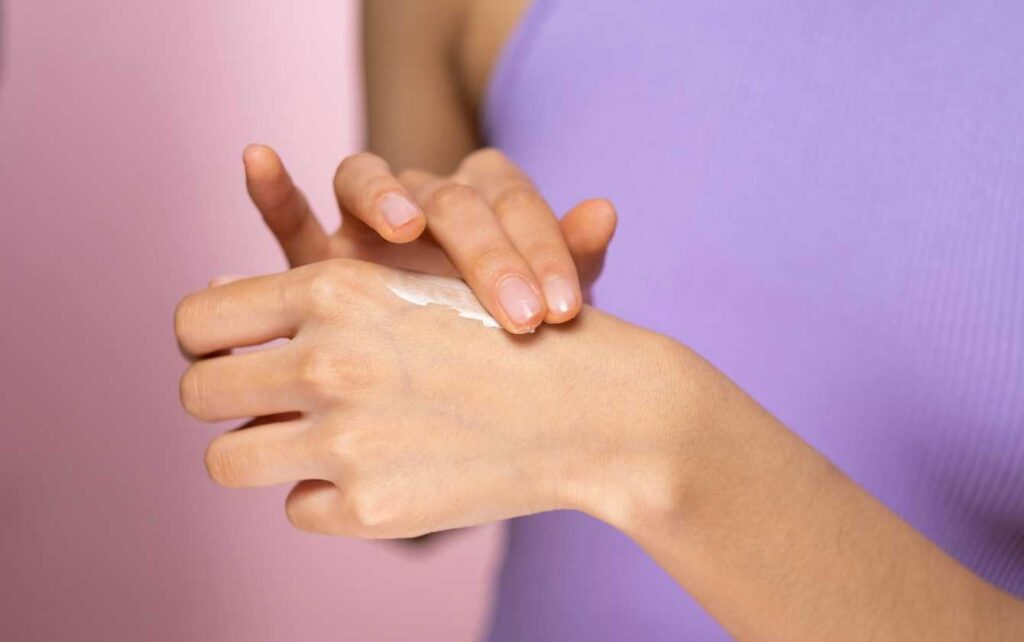
Step 5:Apply Soothing Skin Moisturizer
Lastly, use a soft moisturizer or calming cream, e.g., aloe vera, to soothe the skin and to alleviate irritation. This will assist in healing your skin at a faster rate.
Elimination of Fiberglass with Tape

Adhesive tape is one of the simplest and most efficient means of getting rid of fiberglass. This is an effective technique since the fiberglass fibers are extremely light and would adhere to the tape with ease.
You may apply the normal household tape, such as masking tape or duct tape. All you need is to rub it on your skin and peel. This assists in lifting the fibers but not pushing them inward.
Be careful that you do not rub too hard, as this will also aggravate your skin. Continue the procedure until the itching has subsided.
Washing Your Skin in the Right Way
Washing your skin is essential, although it should be done with care. It is always advisable to use lukewarm or cool water rather than hot water. Hot water may cause the pores to be opened and fiberglass to enter deeper into your skin.
Clean with a soft soap and clean the area. Please do not scrub or rub a rough cloth. Light washing will help to loosen the loose fibers but not irritate them further. It is important to wipe your skin using a towel after washing.
Good skin care habits matter in every situation. If you have been on a weight loss journey, our guide on removing saggy skin after losing weight will help you maintain firm and healthy skin.
How to Calm the Itch

And it might still irritate your skin even after you have taken off the fiberglass. This is natural, and it normally subsides with time.
You may use soothing products, aloe vera gel, or a light moisturizer. These assist in calming down the skin and making it less red. It is also possible to practice wearing loose clothes to avoid additional irritation.
Make sure not to scratch, even when it is uncomfortable. It is not good because scratching may destroy your skin and exacerbate the condition.
What to Know When to See a Doctor
In the majority of instances, it is possible to treat fiberglass in the skin at home. But still, there are circumstances when you must visit a physician. When the irritation does not clear after several days or when the skin turns extremely reddened, swollen, or painful, this is possibly an indication of infection. In case of pus or great discomfort, it is better to seek medical assistance.
Besides, in case fiberglass enters the sensitive parts of your body, such as your eyes, you should seek professional attention as soon as possible.
Prevention of Fiberglass Exposure
It is always good to prevent rather than cure. When dealing with fiberglass, you need to take good care of your skin.
Wear long sleeves, protective clothes, and gloves in order to be in direct contact less. Once your work is done, clean your hands and body to get rid of the fibers. Separate laundry should also be done because fiberglass may cling to clothes and be very easy to spread.
Washing of Clothes following Fiberglass Exposure
The fiberglass may have the ability to cling to your garments and subsequently revert to your body. This is the reason why you should clean your clothes. Wash them with warm water and normal detergent separately from other laundry. Do not confuse them with any other clothes; fibers may be disseminated.
Dry them thoroughly after washing. This assists in eliminating the majority of the residual fibers.
Final Thoughts
Enhancing fiberglass in your skin may hurt, yet it is typically not critical. It is possible to eliminate it safely and minimize irritation with the help of the right steps.
The trick is to move fast, not to scratch, and apply soft techniques, such as washing and removing tape. Caring about your skin after exposure is also quite essential to make it heal.
These are easy tips to follow to deal with fiberglass exposure and safeguard your skin in the future.
For more helpful skin care tips and remedies, visit our complete beauty care guide and keep your skin healthy every day.