
It is thrilling to get a new tattoo. It is a form of self-expression, and the majority of individuals are proud of it. The only thing that comes to mind, though, when you walk out of the tattoo studio is one question, which is: can you go back to the normal routine, especially exercise? You may not wish to miss your exercises in case you are a regular exerciser. But the skin that you have just been through has been through a process that requires treatment and rest.
Here in this blog, we are going to elaborate on everything so that you can know what is safe and what is not. You will find out how tattoos are healing, when you can resume exercising, how to keep your tattoo safe, and yet keep fit.
What Does a Tattoo Do to Your Skin?
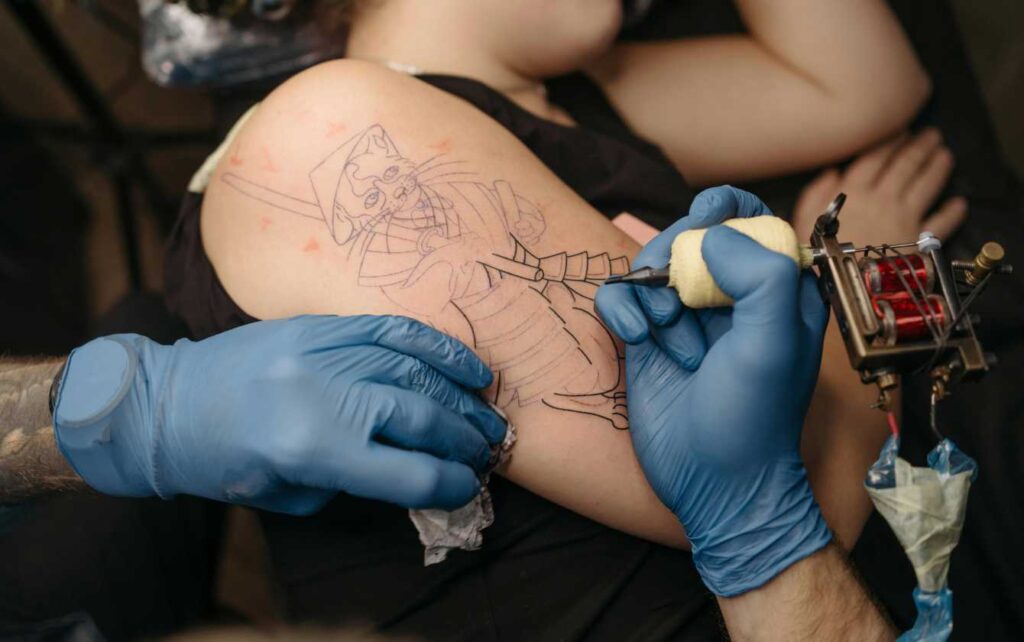
The artist puts the color into your skin with needles in the case of a tattoo. This process forms thousands of small holes. It is possible that the tattoo is beautiful, but your skin is injured, and it takes some time to heal.
And your body starts to get better instantly. The area may be painful and swollen. Sometimes it may also leak a few fluids. The skin starts developing a protective layer in the following few days. Itching and peeling can be experienced within a span of one week. This is also included in the healing process.
Just like tattoos, other skin treatments also require careful recovery before you jump back into fitness. If you’ve ever wondered about exercising after cosmetic skin procedures, the same rule applies — your skin needs time to heal before facing sweat and friction.
Is It Possible to Exercise after a Tattoo?

The response to this is yes, but not now. The tip is that you are not to have any intensive exercises for at least 24-48 hours following tattooing. You should be delicate even after that.
Timing matters a lot when it comes to post-tattoo workouts. If you’re someone who relies on supplements before hitting the gym, it’s also worth understanding pre-workout supplement duration and timing so you can plan your return to training more effectively.
Exercising may lead to perspiration, skin stretching, and friction of clothing or equipment. All this can ruin your new tattoo or retard the healing process. In others, it may even cause infection. Thus, even though exercise is not a complete taboo, it must be done at the right time and in the right way.
The Rationalization to Fall Asleep Before Exercising
The body needs rest after getting a tattoo. Breaking into a workout prematurely is a problem. So when you get a tattoo, don’t start exercising instantly; keep some rest before.
Problem of sweating
These include the problem of sweating, among others. The sweat is salty and bacterial. It can scratch your new tattoo and also expose you to infection. In addition, sweat may force ink through the skin, and this can also influence the way your tattoo appears in the future.
Skin Movement
The other problem is skin movement. Your muscles are contracted and stretched when you are exercising. When you have a tattoo in a place where there is a lot of movement, like on your back, legs, or arms, then the healing skin can be disturbed.
What Is the Best Period to Wait Before Exercising?

The waiting time will be different based on size and where the tattoo will be done. With small tattoos, you would be able to start light exercise two or three days later. Still, it is recommended that you should not sweat a lot and press on the tattoo itself. When it comes to larger tattoos or the ones that are more detailed, it is best to wait at least one or two weeks before getting into the heavy exercises.
This may take up to four weeks before complete healing, and as such, you must be so keen during this time.
Precautionary Exercises

The exercises are not just the same. There are those who are not as dangerous as those with a fresh tattoo.
Light Workout
Such as walking, is normally safe in a few days. These are not accompanied by excessive sweating or movement of the skin.
Stretching Exercises
Stretching is also okay as long as it does not affect the part of the body that has been tattooed. One should not overstretch the skin where a tattoo is practiced.
Leg Exercise
Light leg exercises can be done after a few days if your tattoo is on your upper body. Likewise, when you have a tattoo on your leg, you can emphasize upper-body exercises. The trick is not to wear the part with the tattoo a lot.
The Exercises to be avoided
Then there are exercises, which you are not to do until your tattoo is closed.
- Rigorous exercises such as running, weight lifting, and biking may make one sweat a lot. This does not augur well with a new tattoo.
- Swimming is also an enormous no-no. The pools, lakes, and oceans contain bacteria and chemicals that can ruin your tattoo. This is to say that you ought not to swim for two or three weeks.
- Even such a contact sport as football or basketball can be hazardous. There is a probability of your tattoo being hit or rubbed, resulting in skin damage.
Safest Workouts after getting a Tattoo: Step-by-Step Guide.
The following guide outlines the lowest-impact activities and precautions you can take to stay active without risking infection or fading.

Step 1: Wait For The Initial 48 Hours
The initial 48 hours after getting a tattoo are the most important. This window is the period that your body sees the tattoo as an open wound and an inflammatory response. Exercise will cause more blood and heart beating, which will result in excess oozing of blood and ink. This period of first rest allows the skin to commence the process of closing up.
Also, keep external bacteria from penetrating the site in its most vulnerable condition. The primary focus in these two days is to get quality sleep and keep hydrated.
Step 2: Determine whether or not your tattoo is okay
You have to conduct a thorough visual and physical examination of the tattooed part. Take a closer look to inform about the presence (or absence) of considerable inflammation, deep reddening, and intermittent swelling.
When there is still fluid flowing in the area, or it does not feel like a dull ache, your body is advising you that it is not ready for a workout. The best advice is patience at this point to make sure that you do not experience any complications, such as blowouts or scarring.
Step 3: Start with Light Exercise

The objectives of reintroducing activity avoiding any mechanical pressure on the healing tissue directly. The least dangerous form of exercise is to stimulate your blood circulation. Running carries the risk of causing damage. Gentle walking on a flat surface or very light, motionless stretching out of the tattooed limb is the safest.
It is important not to use high-intensity interval training or heavy lifting. It causes poor sweat to collect against the fresh ink and results in irritation or infection. Pay more attention to low-impact movements, in which your heart rate does not experience a significant change.
Step 4: Have Your Tattoo Squeezy
Even the clothing that you choose to wear during your workout also causes the healing process to slow down. You would choose loose and breathable clothes, such as soft cotton.
They would allow as much air as possible to pass through them, which would not rub against this sensitive part. Squeezy synthetic fabrics may become a breeding ground for bacteria, and may end up peeling away the scabs too soon. Should your clothes cling to the tattoo, do not pull it off, but wet the piece of clothing with lukewarm water in order to loosen the tattoo.
Step 5: Maintain the Area Clean

The most significant aspect, when it comes to preventing post-workout infections, is hygiene. One can only imagine that gym environments are notorious when it comes to bacterial presence. Wash the part of the tattooed area the moment after completing the light session with antimicrobial soap and lukewarm water. Removal of any salt in the sweat or other dust in the environment that might have settled on the skin as you moved about is vital.
Following a wash, never rub the area with a towel; instead, let it dry very well. Pat the area using a very thin layer of your recommended ointment or lotion. This is a routine that keeps the pores clean, and the skin remains moist.
Step 6: Do NOT Overdo It

Although you may be energetic, you have to deliberately control your intensity within the first week. The synthesis of fatigue on a systemic basis may cause the redirect of energy, which your body requires to regenerate your skin, onto muscle regeneration instead. When you realize that the tattooed part is starting to turn red during an exercise, then this is a clear indication that you should stop immediately and reduce the intensity of your exercise.
Step 7: Keep A Watch Of Problems
Minor redness, pus, or foul odor are normal reactions; however, the spreading pus, redness, or foul odor are red flags that one should take immediate action. In case you experience some raised bumps or the pain starts to increase instead of decreasing over time. Then you should stop all the physical activities to prevent further aggravation of the site.
It is not necessary to hesitate and consider something that seems to be wrong, and in this case, the early intervention is the necessary measure to avoid an infection. With an open eye on these developments, you are bound to have an ideal healing process with your new art.
How to Keep Your Tattoo Safe and Still Keep Moving
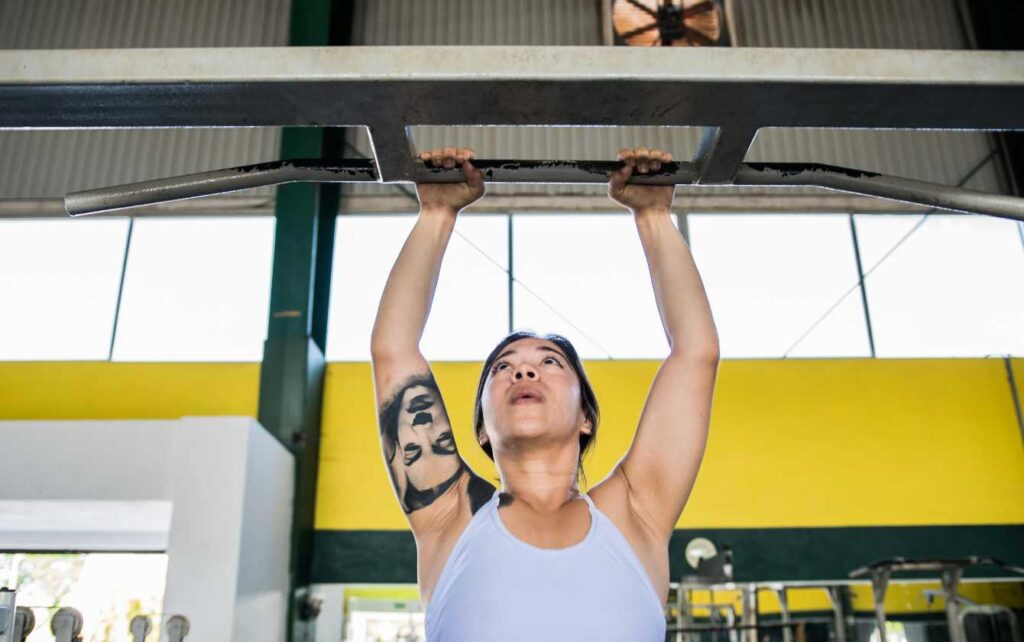
You should take care of your tattoo when you are exercising. A tattoo should be clean and dry at all times. Avoid touching it with dirty hands.
- Keep yourself hydrated during exercise. Water is good for your body’s recovery.
- Make an effort to do your exercises without the sun shining upon your tattoo. The healing skin may be impaired by exposure to the sun.
- Also, follow all aftercare warnings that are recommended by your tattoo artist. They empathize with what is good for your skin.
Taking care of your skin doesn’t stop at tattoo aftercare. If your fitness journey involves significant body changes, learning about skin recovery and firming after body changes can help you build a complete skincare and workout routine that supports long-term results.
Evidence that Your Tattoo is Unfit to Work Out
Sometimes your body also gives you clear messages that it is necessary to wait longer before exercising.
- Your tattoo is not ready when it is very itchy, peeling off, or oozing fluid.
- These are signs that more healing is yet to be experienced.
- The other important indicator is pain. When it is painful in movement, you had better rest.
- The failure to pay attention to these signs can result in an infection or tattoo damage.
Your skin deserves the best care possible, inside and out. Explore our complete Beauty Care Guide for expert advice on skincare routines, recovery tips, and everything in between.