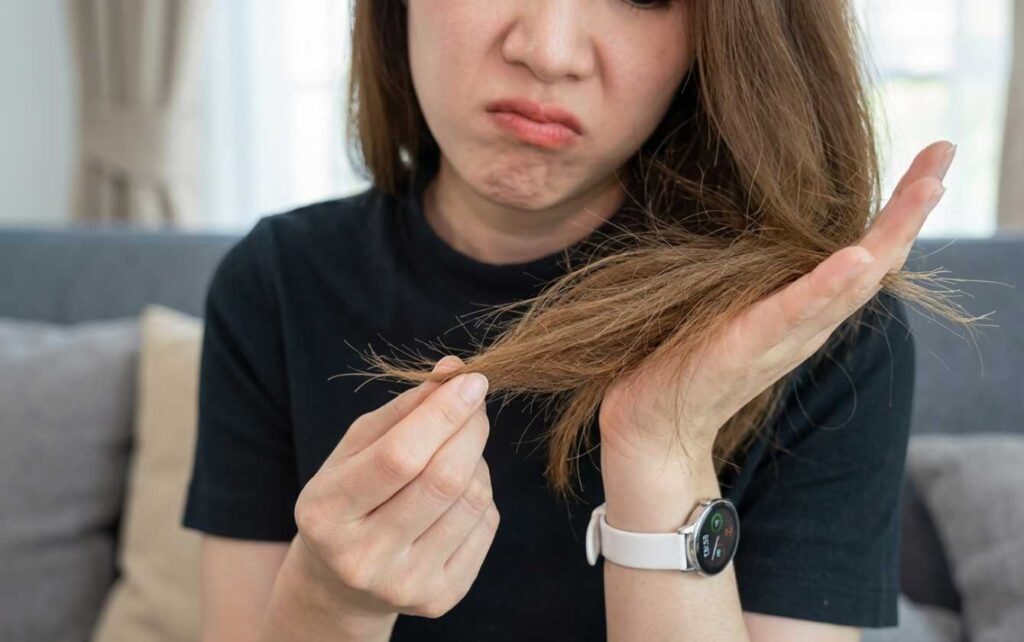
Almost everyone has experienced frizz at some time or another. Maybe you have nice hair in the morning, but a couple of hours later, it gets coarse, fluffy, and unruly. It can be disappointing, particularly if you use a range of products but don’t achieve the desired results.
But the fact is, frizz is not unpredictable. It is a response to some conditions, such as dryness, the climate, and how you use it. Once you know what is really causing frizz, it’s easier to fix it. In this article, all the information is written in an easy guide so you can easily understand what’s going on with your hair.
What Does Frizzy Hair Mean?
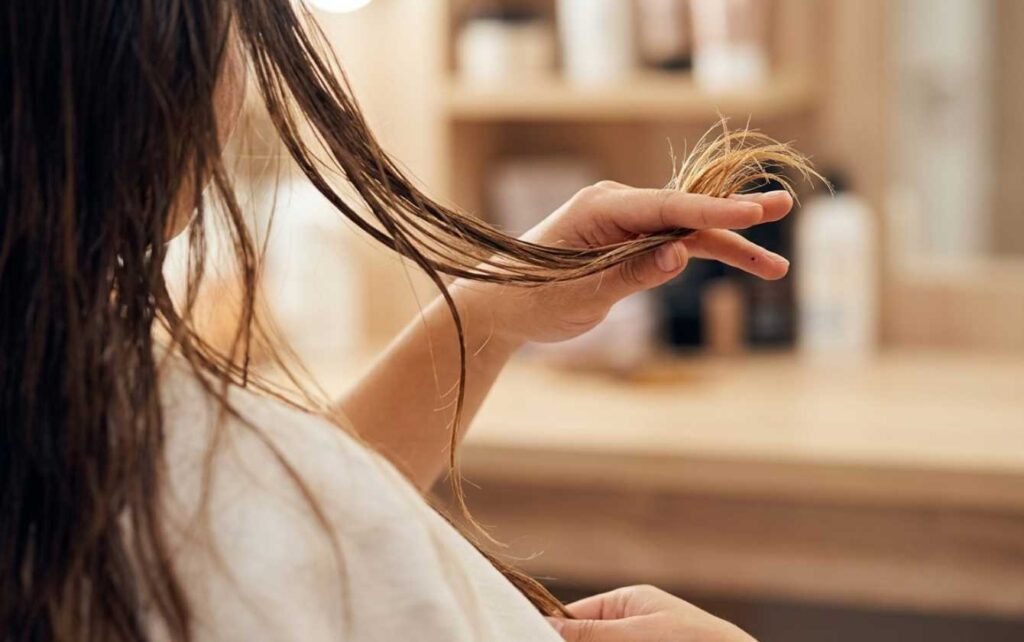
Frizzy hair means your hair strands are not lying flat and smooth. They are sticking up all over the place. This makes your hair look dull, dry, and sometimes disheveled. Understanding your hair’s unique behavior is the first step to taming it; for instance, many people find they struggle with dry ends but often wonder why their hair gets oily so fast at the roots.
Your hair has an outer layer called the cuticle. When the cuticle is flat, your hair shines and looks healthy. But when the cuticle becomes lifted, air moisture gets inside the hair. This makes the hair swell up and fizz. So, frizz is a way to tell if your hair is dry and needs more care.
The Main Cause:
Dry Hair
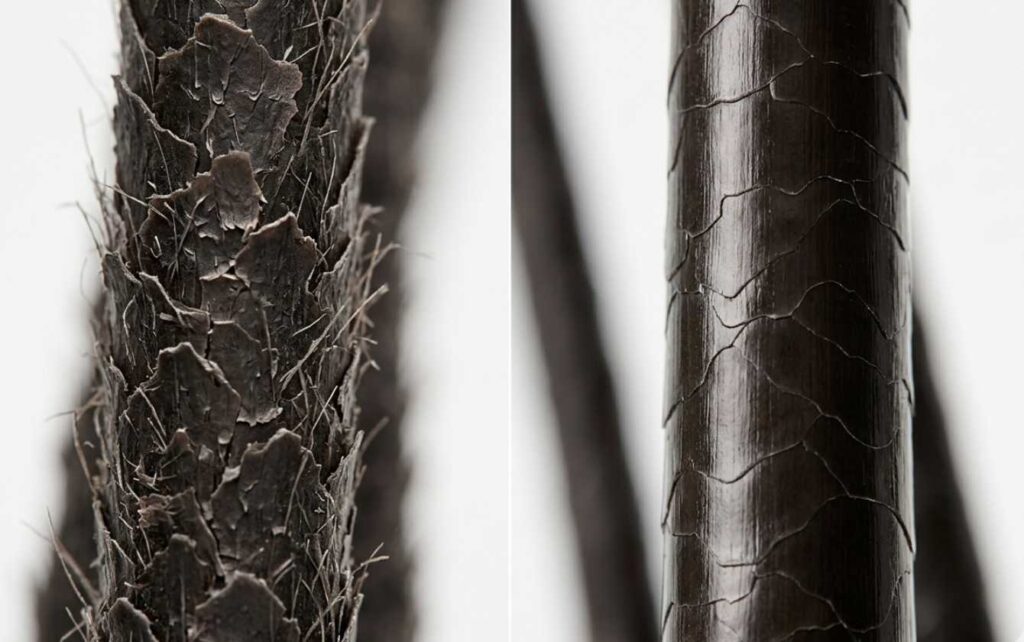
Frizzy hair is usually caused by dry hair. Without moisture, your hair will look dry and bumpy. Dry hair will try to soak up moisture from the environment, particularly in humid conditions. This is when your hair gets frizzy.
There are several causes of dryness. If you wash your hair too much, use a harsh shampoo, or don’t use conditioner, you can strip away oils. These oils are important because they keep your hair soft and smooth. Without these oils, your hair will be frizzy and brittle.
Weather and Humidity Effects
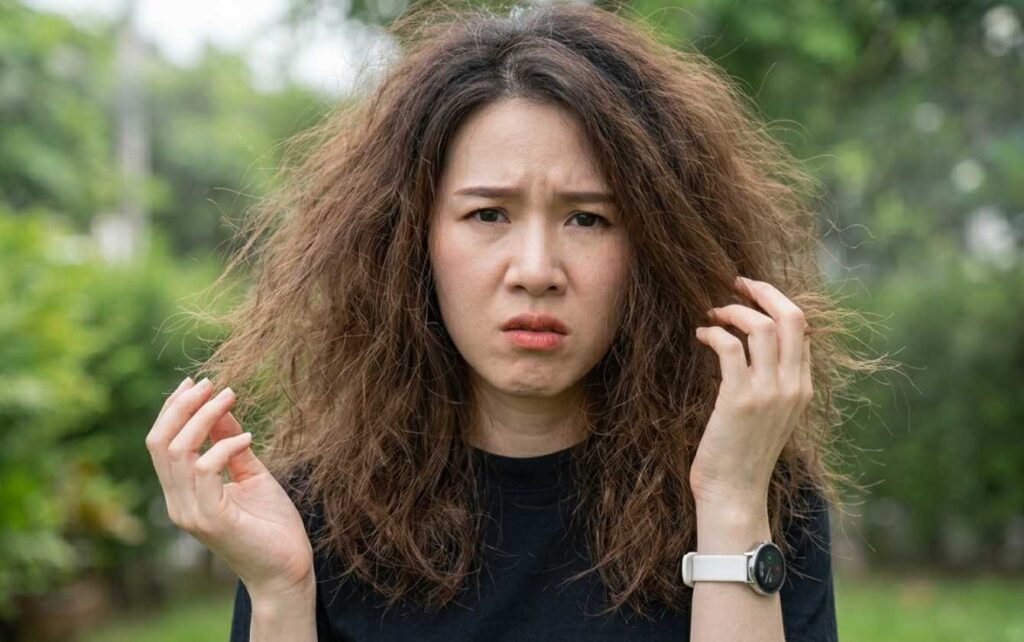
Your hair can be affected by the weather. On humid days, there is a lot of moisture in the air. This makes the hair strands swell and become misshapen.
That’s why your hair may look great inside, but frizzy outside. Humidity affects wavy and curly hair more than straighter hair, so they may be frizzier. But even straight hair can get frizzy if it is dry and damaged.
Heat Styling Damage
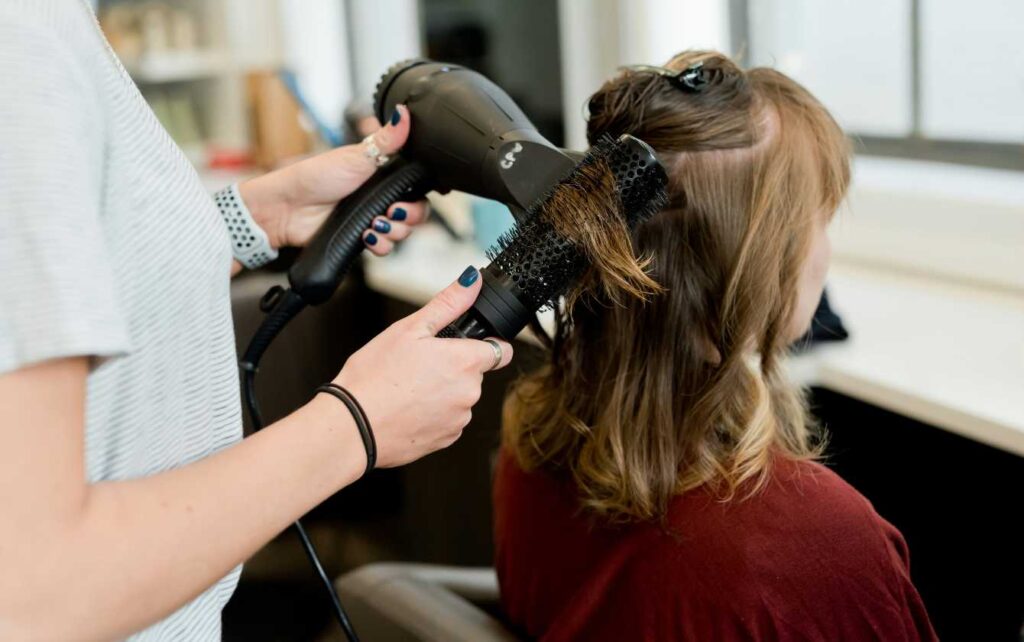
Frizzy hair is also caused by overusing heat styling tools. Using hair straighteners, curling irons, and blow dryers will eventually damage your hair. The heat dries out your hair and damages the cuticle.
Having a damaged cuticle means it cannot lie flat. This makes it easy for water to absorb into the hair, causing frizz. Damaged hair also leads to split ends and breakage, which makes it even more unsightly.
Overwashing Your Hair
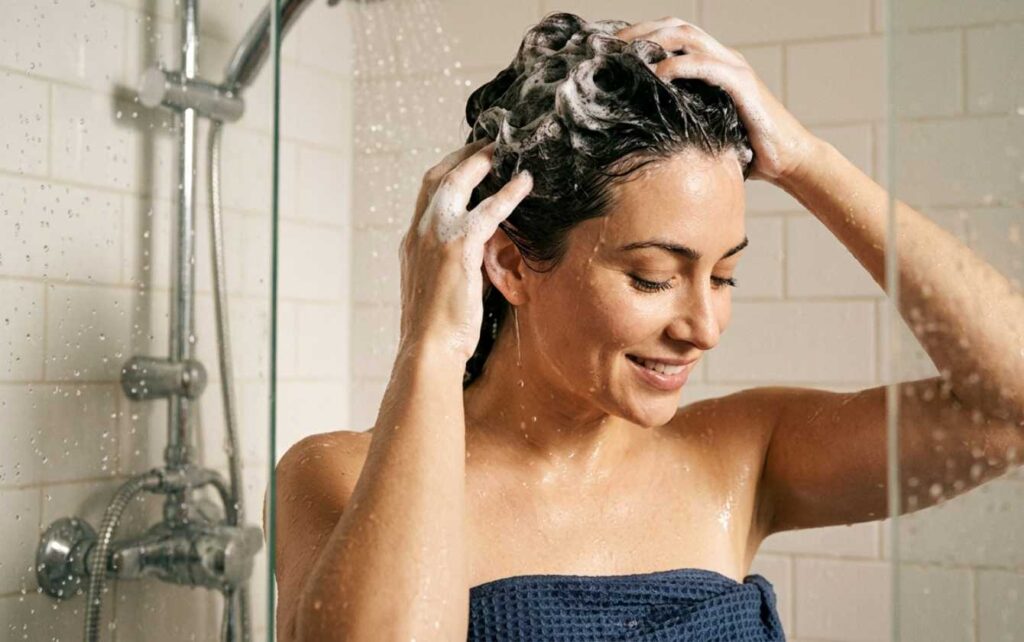
Most people believe washing hair daily is good for hair. However, this is not the case. When you wash your hair too often, you remove the natural oils that protect your hair. These oils are a natural conditioner. These oils help to keep your hair moist and keep it from getting frizz.
The Role of Hair Products
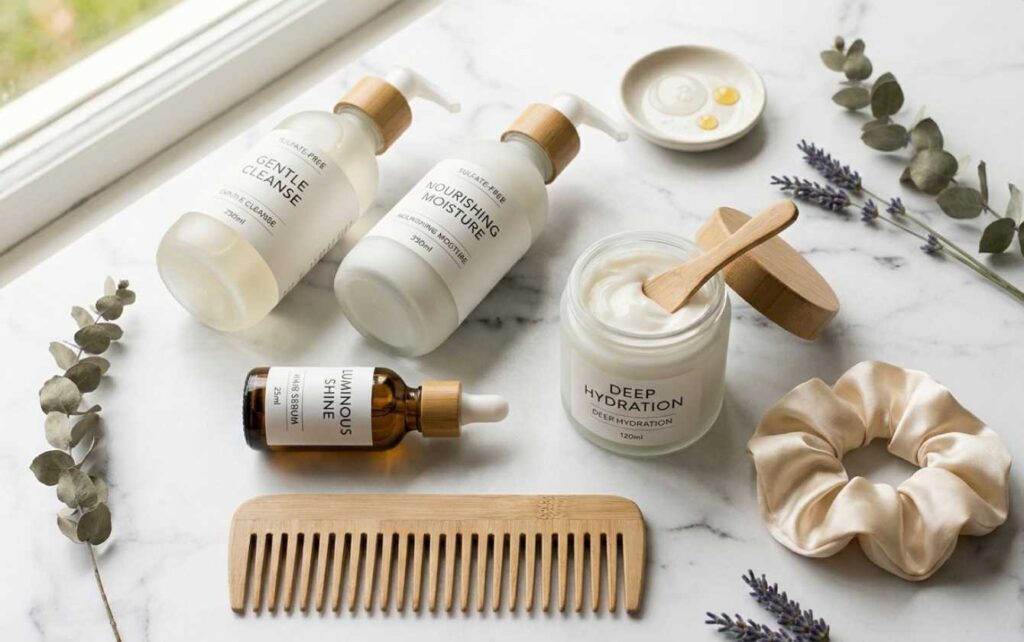
Hair products can be good or bad for your hair. Certain shampoos include harsh ingredients such as sulfates, which lather well but also dry hair. Alcohol-based products can also be drying. Regular use of the wrong products can lead to coarse hair. Using moisturising products can help prevent frizz.
Natural Hair Type Matters
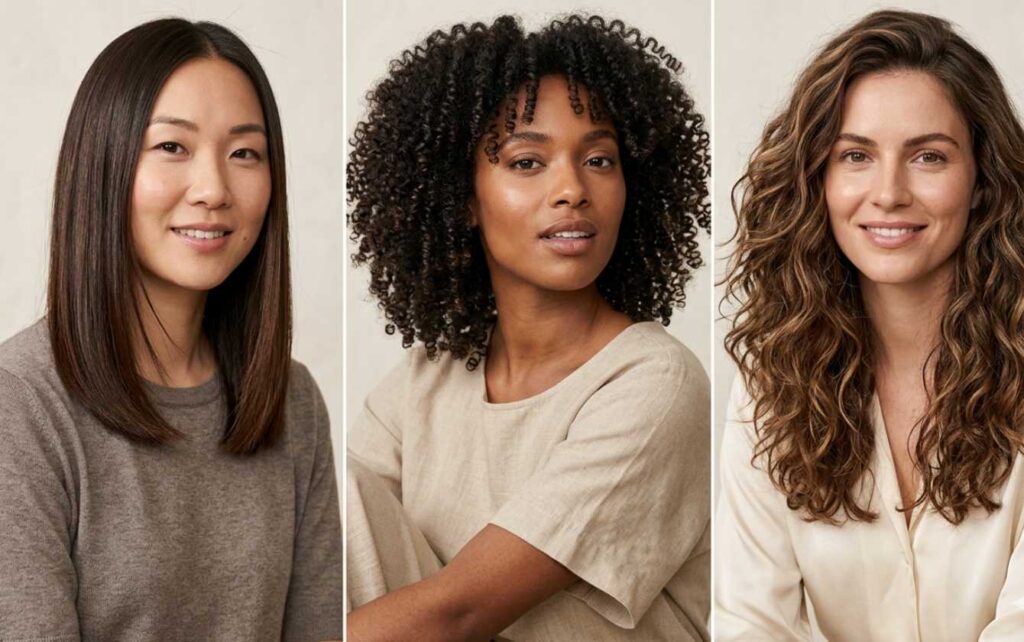
Natural hair also affects how your hair acts. Curly hair types are most likely to be frizzy because they tend to be drier. Oils from your scalp take longer to reach the ends of curly hair.
Wavy hair is also more likely to become frizzy if it is humid. Straight hair is generally less frizzy, but it can still frizz if it becomes dry or damaged. Knowing your hair type will guide your hair care routine.
Daily Habits That Cause Frizz
Frizziness can be caused by some everyday activities. Vigorously towel-drying your hair after a shower can affect the cuticle. It roughens your hair and makes it frizzy. Using cotton pillowcases can cause friction and cause your hair to tangle and frizz.
Even running your hands through your hair throughout the day can disrupt your strands and cause more frizz.
How to Get Rid of Frizzy Hair
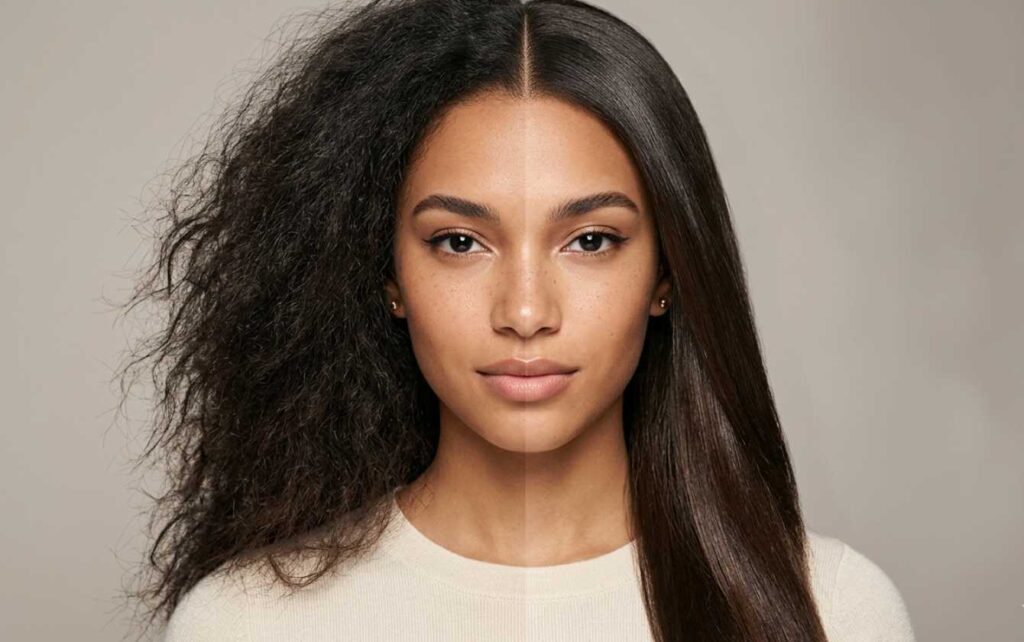
Treating frizzy hair doesn’t have to be expensive. There are simple things you can do to make a difference. First, use a mild shampoo that will not strip your hair of oils. It’s also important to shampoo less frequently.
Apply Conditioner
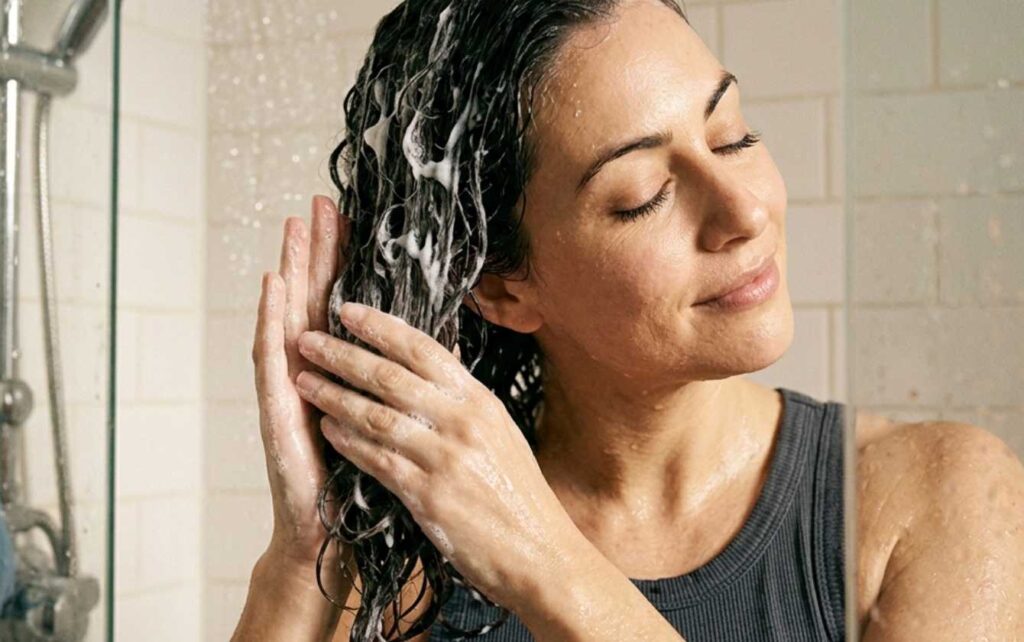
Be sure to condition your hair after shampooing. Focus on your hair length and the middle part. This will help flatten the cuticle and seal in moisture. You might also want to rinse with lukewarm water, as this can make your hair smoother.
Dry
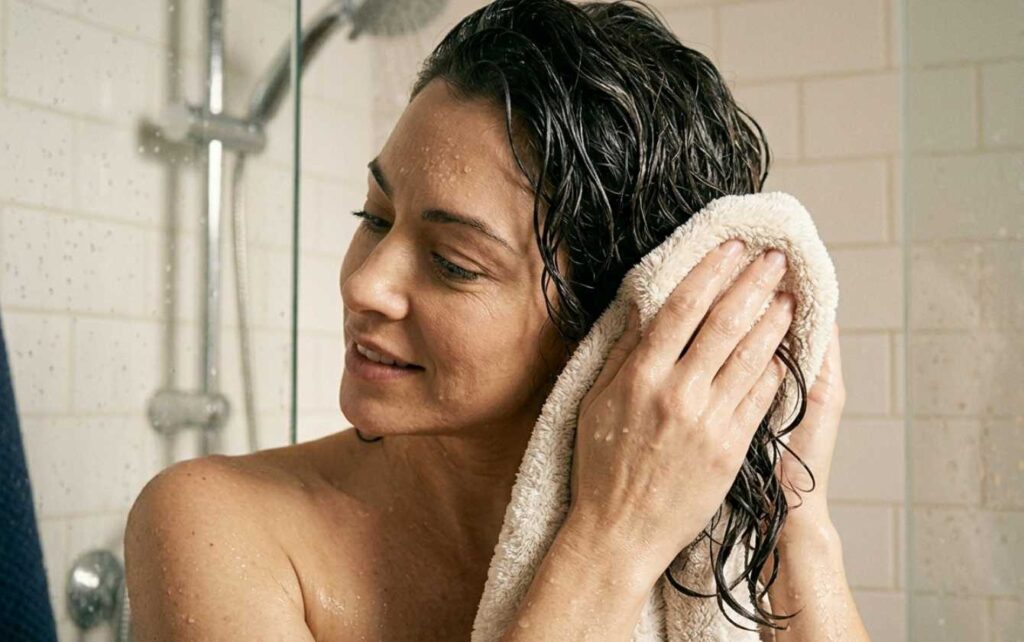
Drying your hair properly is very important. Rather than towel-drying your hair, let it dry. You can also use a soft towel or a cotton T-shirt. When your hair is still wet, you can also use a leave-in conditioner or serum to reduce frizz. These products form a barrier to prevent moisture loss.
Minimising Heat and Styling Damage
Avoiding heat styling is probably the best thing you can do for your hair. Make sure your hair is dry in natural air. If you do need to use heat, make sure to use a heat protectant.
Using a lower heat setting and avoiding heat styling daily will help. Healthier hair is less frizzy.
Weekly Care for Smooth Hair
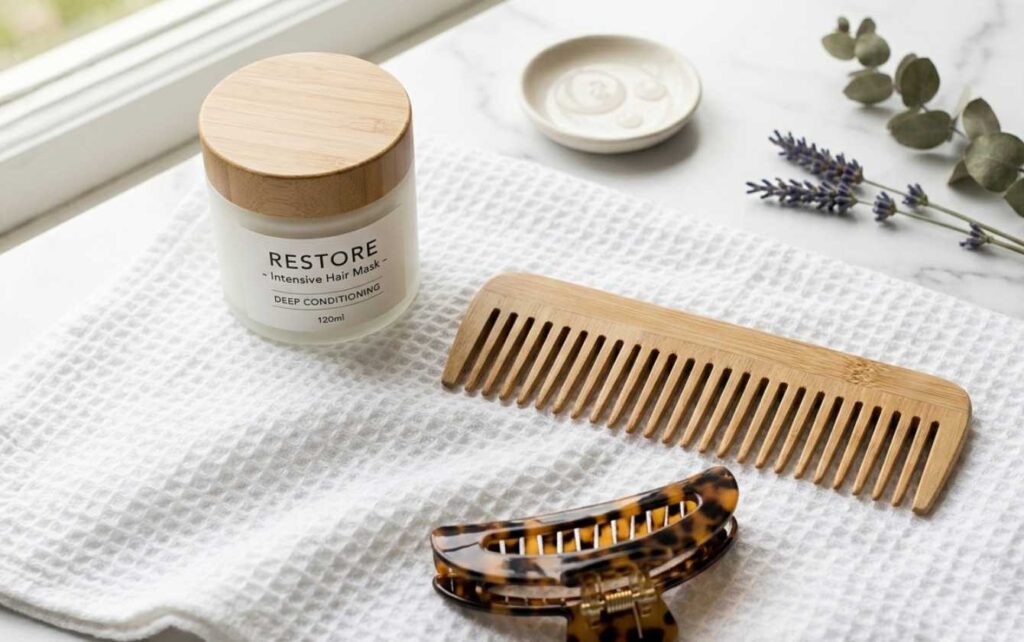
Besides your daily care, you also need to do weekly care. Applying a deep conditioning mask once or twice a week can help. This helps to soften your hair.
Trimming is also important. Cutting off split ends stops the damage from moving further up the hair. Even a quarter-of-an-inch cut every month or two can make a difference.
Natural Ways to Reduce Frizz

If you like to use home remedies, there are natural tips for reducing frizz. You can use oils such as coconut oil or argan oil. Just a little can smooth and shine your hair.
You can also use aloe vera. It moisturises and smooths your hair. These products are safe for daily use.
Mistakes You Should Avoid
Many people unknowingly make mistakes that increase frizz. Using very hot water to wash your hair can dry it out quickly. Not using conditioner or shampooing too often can make it worse.
Vigorously brushing your hair, particularly when it’s dry, can lead to breakage. Too much styling product can leave a residue on your hair and leave it looking dull.
Creating a Basic Hair Care Routine
Consistency is key for frizzy hair. You don’t need an elaborate routine. You just need an effective routine and products.
- Keep your hair clean, but not too clean.
- Keep it conditioned and treated.
- Use hair care products
Over time, these practices will enhance the hair’s health. When your hair is healthier, it will be less frizzy.
Want more expert tips and guides? Visit Beauty Care Guide to explore our latest articles on health, beauty, and wellness.