
Have you ever touched your hair and then felt it standing up or moving around all over the place? When this happens, it is known as “static hair”, and it can be disappointing, particularly if you want your hair to look shiny and sleek. Static hair is very common, and most people have it at some point in their lives, particularly in certain weather. But don’t worry, it isn’t a serious issue, and you can control it once you know why it occurs.
What Is “Staticky Hair”?
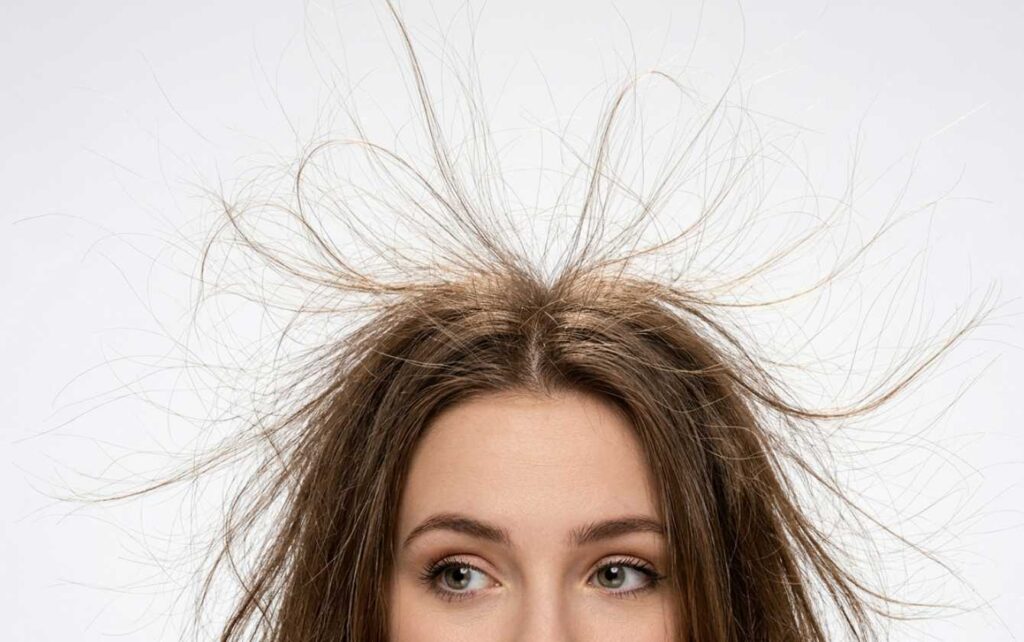
Staticky hair is when your hair has an electric charge. This can be caused by friction, which is when your hair rubs up against something such as a comb, hat, or your pillow. This causes hairs to repel each other or cling to surfaces. That is why your hair may look frizzy, messy, or like it is floating.
This is known as “static electricity”. It is the same thing that happens when you rub a balloon on your hair, and it sticks. Your hair gets charged, and the hairs respond to each other in a different way.
The Science Behind Static Hair

To explain static hair, we need to learn a bit about electricity. All matter is made up of atoms. Atoms have positive and negative charges. These charges are usually equal.
Rubbing two objects together, such as a comb and your hair, can cause electrons to be transferred. This creates an imbalance. One becomes positively charged and the other negatively charged. Since opposites attract and like charges repel, your hair begins to act weirdly.
Why Does Hair Become Staticky?
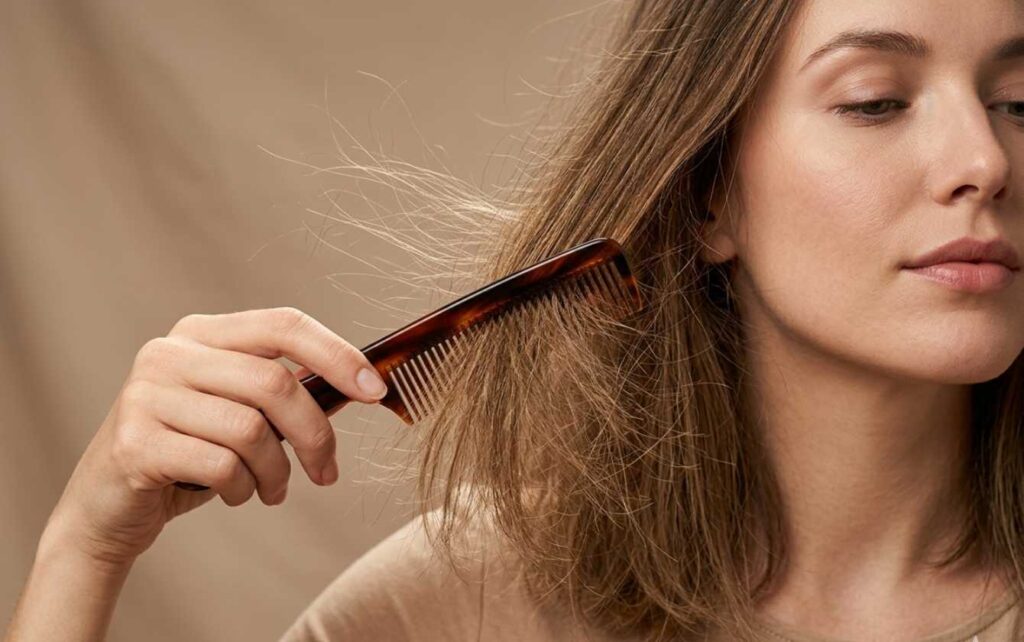
Your hair can get staticky for some reasons. The most common is dryness. Dry hair doesn’t have as much water, and that allows static electricity to build up. Water normally balances out the electricity, so when it’s gone, your hair is more vulnerable.
Another reason is friction. Friction between your hair and things such as wool, plastics, and synthetic textiles increases static. That’s why some hats and clothing aggravate your hair.
Dry Air and Weather

Dry air also causes static hair. This is because dry air is less able to ground the electricity in your hair. This is why you may notice that your hair becomes more staticky during winter. During winter, we also tend to use heaters, which can further dry the air. This may lead to more static charges in your hair.
Static hair can be more common if you live in a dry climate. Knowing this can help you care for your hair in these weather conditions. Low humidity often causes multiple hair concerns at once, shifting the problem from electricity to texture. If the dry winter air is making your hair stand on end, you might also find yourself wondering why your hair is so frizzy since both issues stem from a lack of moisture.
Static and Hair Type
Static is also affected by the type of hair you have. If you have fine hair, it is more likely to be staticky because it is lighter and more easily displaced. Static is less common in thick or heavy hair because it is more difficult to move the hairs away from each other.
- Static can also occur with curly hair, but it may look different. Curly hair may appear frizzy or have an altered curl pattern. Straight hair may be more noticeable.
- Static can also crop up in damaged, dry hair. Without oils, your hair doesn’t have the protection against the charge.
The Impact of Hair Products

The products you use on your hair can either help or worsen static. Certain shampoos, particularly harsh or heavy shampoos, can strip your hair of too much oil. This makes your hair dry and more likely to develop static.
Conditioners are beneficial because they moisturise and lubricate the hair. Conditioned hair is less likely to become electrically charged. While keeping hair moisturized is key, over-washing to remove product buildup can backfire. If you find your scalp overcompensating with oil, it helps to understand why does my hair get oily so fast to find the right balance for your routine.
Static can also be made worse by using the right product for your hair. For instance, if you use a product that is too drying, this can make static hair worse. Using moisturising hair products can help.
What Causes Static Hair

Static hair can occur from several everyday habits. Frequent hair brushing, particularly with plastic combs, can generate static. Using a wooden or metal comb can help eliminate this.
Static can also be caused by hats, head scarves, and hoodies made from synthetic fabrics. Your pillow can also cause problems. Static can build up while you sleep on synthetic pillowcases. Consider switching to a silk or cotton pillowcase.
How to Prevent Static Hair

There are a few simple ways to prevent static hair. To prevent static hair, you need to keep your hair hydrated and avoid friction. A good conditioner will keep your hair moisturised.
Another way to keep your hair moisturised is by using a light hair oil or serum. This forms a barrier on your hair and helps remove static. It’s important to use just the right amount so your hair doesn’t look oily.
Simple Home Remedies
Static hair can be treated with some simple home remedies. A quick way to do this is by wetting your hands and running them through your hair. This provides a little bit of moisture and helps to remove static.
Another option is to put a small amount of lotion on your hands and rub it through your hair. It’s like hair serum, and it can tame flyaways. You can also purchase a small spray bottle. Spraying your hair can add moisture and help to eliminate static.
Choosing the Right Tools
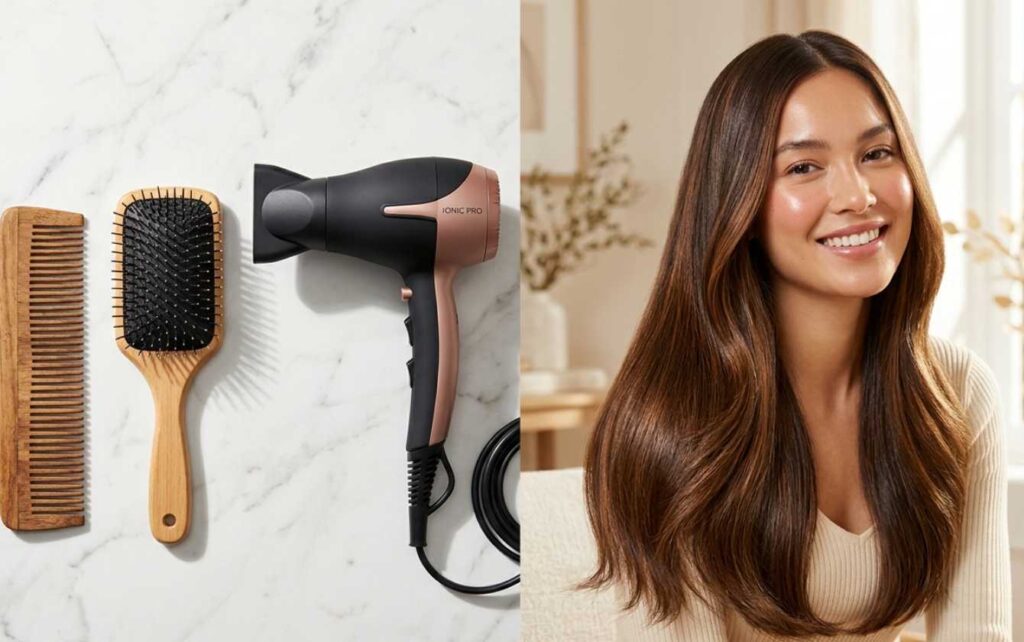
The tools you use for your hair can make a big difference. Plastic combs and brushes can increase static due to their ability to transfer charges. Wooden and metal combs and brushes are better options.
Even hair dryers can make your hair static, particularly if they are set to a high temperature. Using a lower heat setting or an ionic hair dryer can help.
Loved this post? Don’t miss out on our latest updates! Check out the full Beauty Care Guide for more secrets to mastering your skincare and wellness journey.